


Japan: The Garden of the Adachi Museum of Art in Yasugi
- Olivier

- Jul 1, 2019
- 7 min read
Updated: May 21
This private museum, created by Mr. Adachi Zenko in 1970, houses an exceptional collection of paintings by Yokoyama Taikan and various other Japanese artworks. A passionate lover of gardens and a major art collector, Adachi Zenko wanted to create this museum and garden as a tribute to his hometown, while also contributing to the cultural development of Shimane Prefecture.

© O. Robert
His aim was to connect his collection of Yokoyama Taikan paintings with a lush garden. Interestingly, it is primarily through this magnificent landscaped garden that the museum has gained worldwide fame. This contemplative garden has, in fact, been selected for many year by the magazine The Journal of Japanese Gardening as the most beautiful garden in Japan.
The Adachi Museum of Art
The museum was founded in November 1970 by Adachi Zenko, a local entrepreneur born in 1899 in Yasugi City, Shimane Prefecture. Zenko’s vision was to combine his passions for Japanese art and garden design, creating a space where both could be appreciated as living paintings. The museum was established as a way to give back to his hometown and to foster cultural development in the region.
Adachi Zenko’s story begins in humble circumstances. After primary school, he worked on his family’s farm and later as a charcoal hauler, transporting charcoal by handcart from the countryside to the port of Yasugi. His entrepreneurial spirit started to emerge. He realized he could sell extra charcoal along his route, marking the start of his business career.

© O. Robert
Zenko eventually became a successful textile wholesaler and real estate entrepreneur in Osaka after World War II. However, his true passion was collecting Japanese art, which he pursued with a philosophy that went beyond monetary value. He famously said:
“Coming into contact with a masterpiece is just like meeting a person. It is fate. Collecting paintings is not about money. It is not about price. When a great painting is up for sale, you should close your eyes and grab it".
Consequently, and as its name suggests, this museum is primarily a cultural establishment dedicated to the promotion and celebration of the arts. Since its opening, the Adachi Museum of Art has garnered a reputation for its eclectic collections and engaging exhibitions. Housed in a building with intriguing architecture, the museum offers an environment that balances modernity with tradition.
Want the best stabilization for your long exposures? Check this:

The Collections
The museum's collections vary depending on temporary exhibitions, but one can often see works of modern and contemporary art, including paintings, sculptures, and installations.
The museum houses approximately 2.000 artworks, including modern Japanese paintings (nihonga), ceramics, and wooden sculptures. The collection features works by renowned artists such as Yokoyama Taikan, Takeuchi Seiho, Uemura Shoen, Hashimoto Kansetsu, and Kitaoji Rosanjin.
In 2018, the museum hosted a retrospective of artist Yayoi Kusama, famous for her immersive installations and polka-dot patterns. The exhibition attracted visitors from around the world, establishing the museum as a must-visit destination for art enthusiasts.

© O. Robert
The Garden of the Adachi Museum of Art
The Adachi Museum’s garden is its crown jewel, spanning 165.000 square meters and designed to be a “living painting”. Zenko believed that a Japanese garden should be experienced as a living work of art, harmonizing with the surrounding mountains and changing with the seasons.
A unique feature of this garden is its "Shakkei" design, which involves borrowing the surrounding landscape to create a scene larger than the garden itself. The mountains, hills, and even the sky thus become elements of the garden, offering a unique visual experience. This aligns with Zenko's philosophy, who viewed the garden as a "living painting".
Key features include the Dry Landscape Garden, Moss Garden, White Sand and Green Pine Garden, and the Kikaku Waterfall, which was inspired by Yokoyama Taikan’s painting “Waterfall in Nachi”.

© O. Robert
The garden is composed of several sections, including a rock garden, a pond with koi carp, and wooded areas. The arrangement of plants, stones, and water is meticulously planned to evoke different emotions throughout the seasons. Cherry blossoms in the spring, glowing maple leaves in the fall, and pristine snow in winter offer an aesthetic experience that changes throughout the year. The museum even publishes a “Garden Photo Diary” to showcase these transformations.
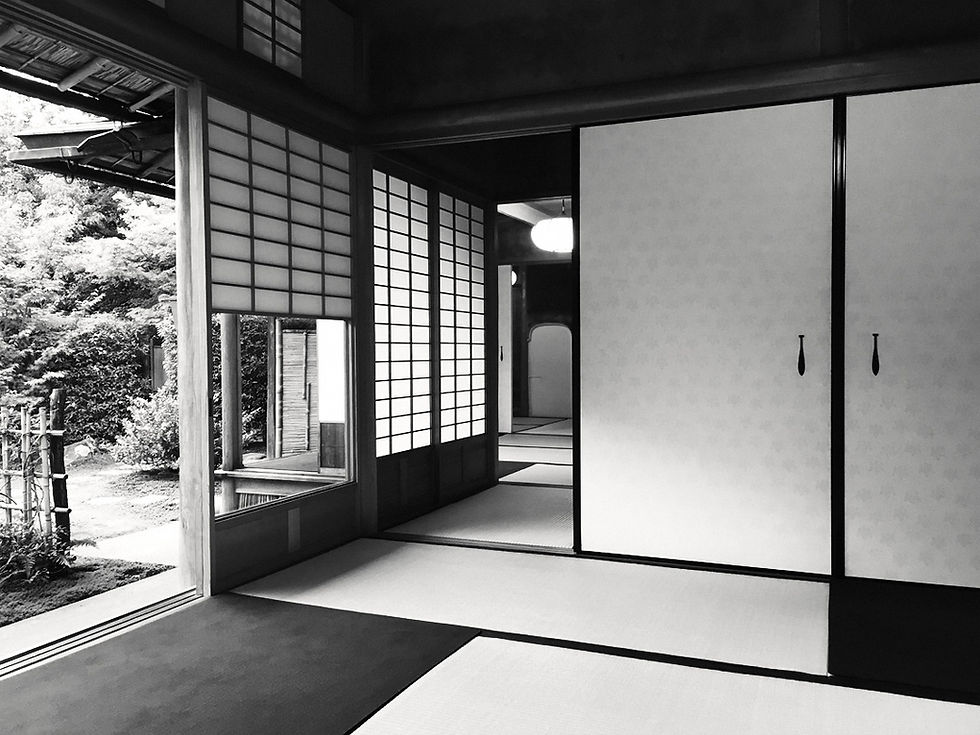
What also sets this garden apart is how it integrates with the built environment. Visitors are encouraged to discover the garden through strategically placed windows throughout the tour, offering different "frames" of the garden depending on the viewing angle.
A trip to Japan soon?

Consequently, the garden is primarily visible from inside the museum. Visitors will have to content themselves with looking at and photographing it through the massive windows provided for this purpose. However, it is possible to step outside for just a few meters to take your handheld photos, as tripods are, of course, not allowed. Regardless, this museum and its garden are clearly worth the visit. Dedicate a few hours to them, and you will leave enchanted.

© O. Robert
Ranking and Tourism
The "Japanese Garden Ranking", published by Sukiya Living Magazine (also known as the Journal of Japanese Gardening), has specialized in evaluating Japanese gardens since 2003. Its annual rankings, which include a U.S. edition, have significantly contributed to the international fame of the Adachi Museum of Art’s garden, especially in the United States.
The Adachi Museum of Art’s garden has been ranked as the best in Japan for 22 consecutive years (as of 2026). The magazine’s ranking is based on evaluations by international experts who assess gardens across Japan for their beauty, quality, and harmony with their surroundings, rather than size or fame. It is also listed as a three-star site in the Michelin Green Guide Japan.

© O. Robert
As a result, the Adachi Museum is more famous in the United States than anywhere else, which perhaps explains the disproportionate size of its parking lot that accommodates dozens of tourist buses. Unfortunately, these tourist buses come to Shimane only to visit this museum, not taking the opportunity to explore the other beautiful sites of the prefecture that we visit on our Photo Tours in the San-in region.
Sadly, Japanese people often need to rely on international recognition to pique their curiosity and visit highly ranked sites. Since the garden gained fame in the U.S., the Japanese have also become enthusiastic about this museum and flock to it in large numbers each year to visit.
Want to increase resolution and reduce noise of your photographs? Check this:

School and Educational Programs
The Adachi Museum of Art is deeply committed to education and community engagement, offering a rich array of programs for visitors of all ages. Through initiatives like the “Pictures for Children” section, guided tours, workshops, and lectures, the museum fosters an artistic dialogue and introduces younger generations to Japanese art and garden culture.
Collaborations with local schools further encourage early art education, while seasonal exhibitions and public programs deepen appreciation for both traditional and contemporary Japanese heritage. By blending education with cultural preservation, the museum serves as a vibrant hub for learning and artistic exploration.
For me, this museum is more than just a place for exhibitions. It's a space where art and culture are celebrated, studied, and shared. Whether you are an art enthusiast or an occasional visitor, the museum offers an experience that is worth the trip.
© O. Robert
Juraku-an: A Tea House in Harmony with Art and Nature
Juraku-an tea house is nestled within the museum’s garden, offering a tranquil space where you can pause and immerse yourself in the beauty of both the garden and traditional Japanese tea culture.
Juraku-an is an opportunity to connect with the museum’s philosophy of “living paintings”. The experience of enjoying matcha while gazing at the garden’s ever-changing beauty is a highlight for many visitors, blending art, nature, and tradition into a single, memorable moment.

© O. Robert
The tea house is designed with an excavated wall and infixed windows, allowing guests to enjoy the view of the “Living Hanging Scrolls”, the exterior White Gravel and Pine Garden, while sipping matcha. This unique perspective turns the garden into a living painting, harmonizing with the museum’s artistic philosophy.
The tea bowls are crafted by local potters in Shimane Prefecture, and the sweets served with the matcha are named “Hinode-mae”, made by the local confectioner San-ei-do.
Admission Fee and Tea: 1.500 yen (as of 2026, tax included).
Access: Guests must enter the museum to visit the tea house. Reservations are not possible.
Note: The tea house may be closed for short periods or entire days for various reasons, so it’s best to check availability upon arrival.

© O. Robert
How to Get to the Adachi Museum of Art
The museum is located in Shimane Prefecture. This prefecture is part of the San-in region. Located on the northwest facade of the island of Honshu, facing the Sea of Japan to the north of Hiroshima, the San-in region literally means "In the Shadow of the Mountains".

You can also join us for a Photo Tour in the San-in region where you’ll discover timeless beauty, immerse yourself in local culture, and uncover hidden photographic gems. We explore Japan’s contrasts, tradition and modernity, serenity and energy, nature and urban pulse… If these dualities inspire you, see the programme here.
The San-in region is little known to foreign tourists, largely due to its particular geographical location. The isolation imposed by the Chugoku mountain range separates it from the cities of Kobe, Okayama, and Hiroshima. Only in recent years has the San-in region opened up to domestic tourism, and a few foreigners venture there each year to discover other aspects of Japanese culture.
If you are interested in the Japanese paintings exhibited at the Adachi Museum of Art, I highly recommend you this reference book to learn more about the techniques and the history of the traditional art of Kakemono:

For More Information on the Adachi Museum of Art: www.adachi-museum.or.jp/en/


